

| |
||||||||||||||||||
| a | ||||||||||||||||||
X-47B
UCAS-D Unmanned Combat Air System Demonstrator U.S. Navy / Northrop Grumman |
||||||||||||||||||
 |
||||||||||||||||||
| |
||||||||||||||||||
The
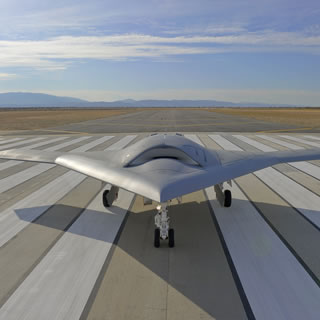
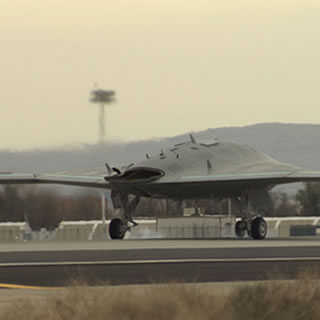
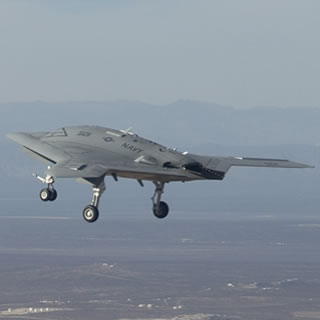
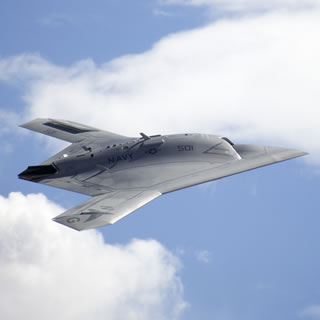
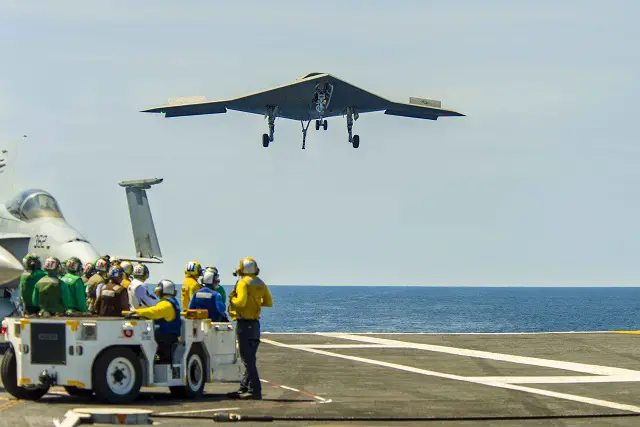
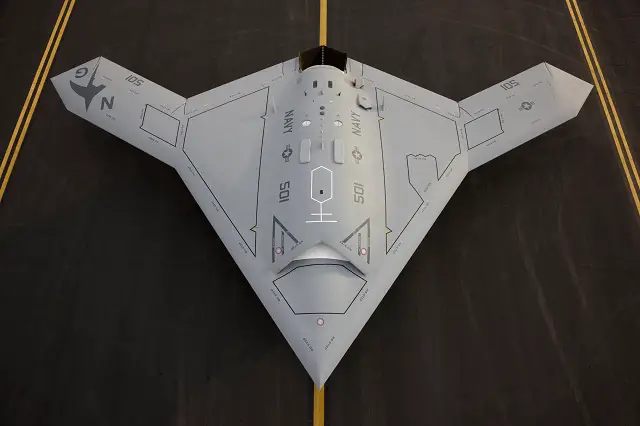
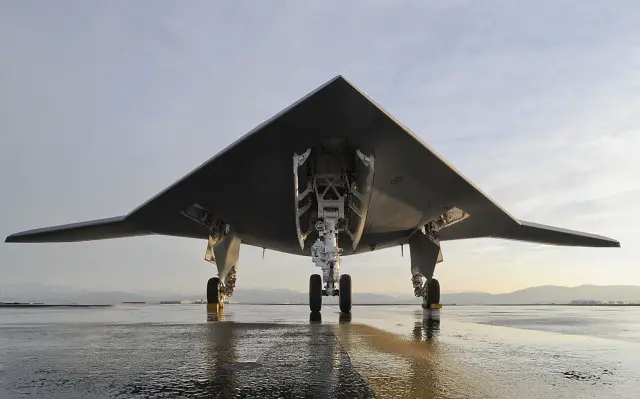
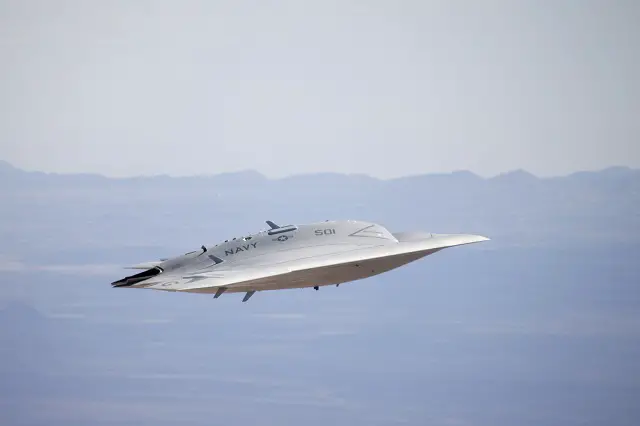
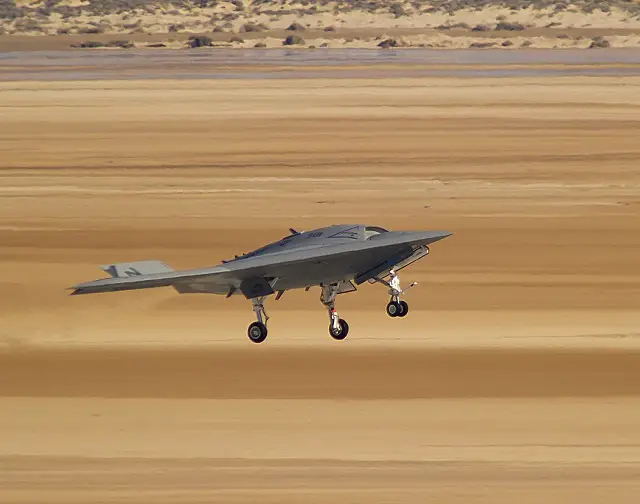
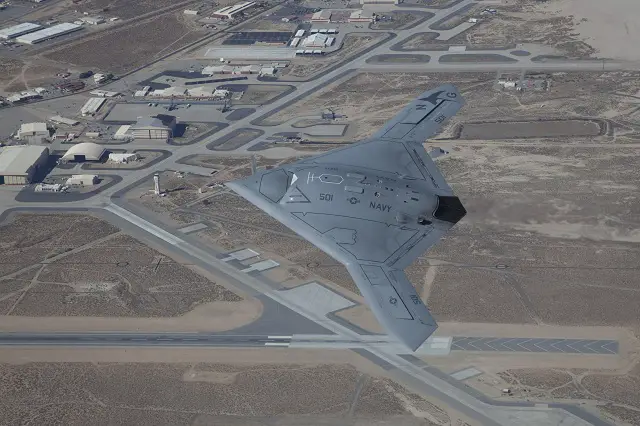
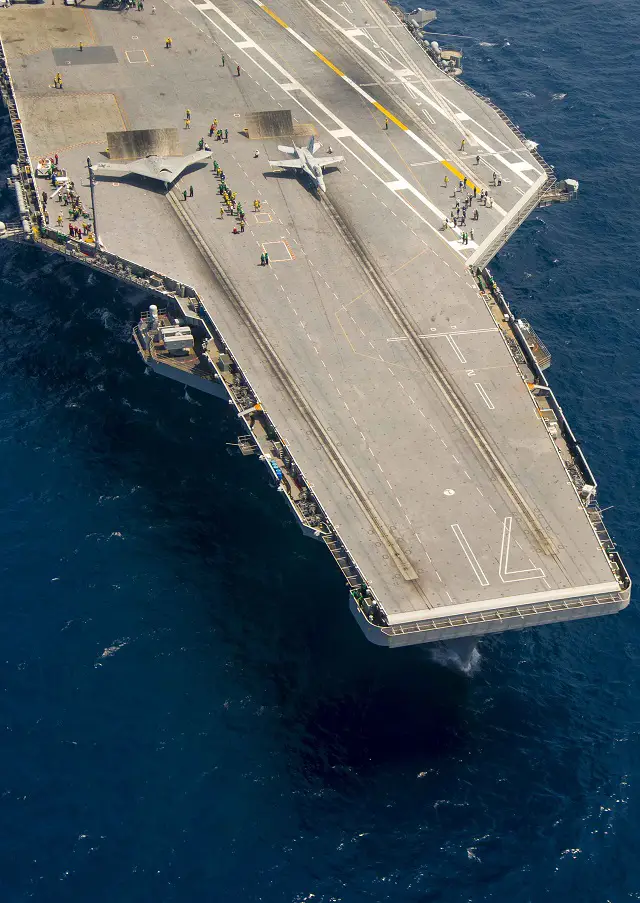
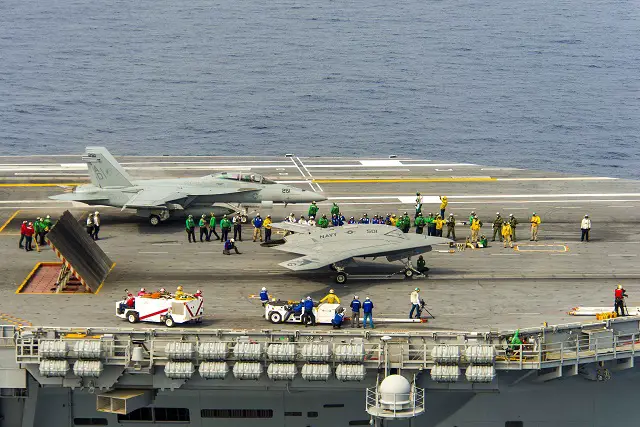
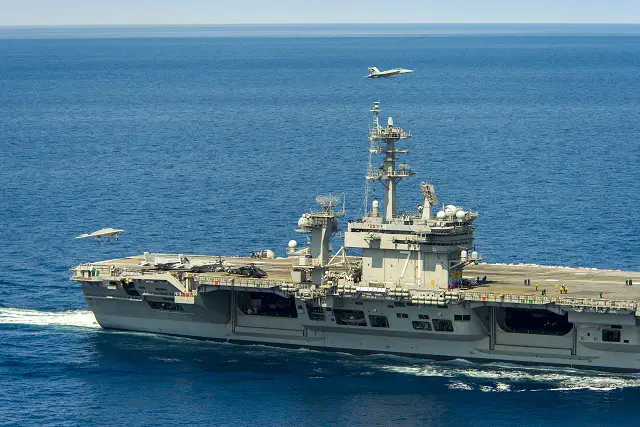
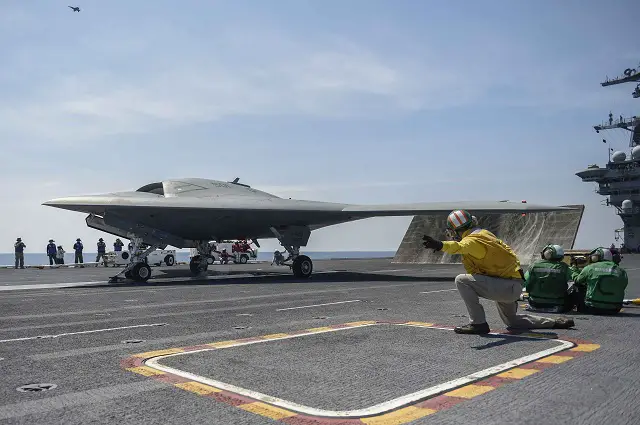
X-47B is a tailless, strike fighter-sized unmanned aircraft currently
under development by Northrop Grumman as part of the U.S. Navy’s
Unmanned Combat Air System Carrier Demonstration (UCAS-D) program. |
||||||||||||||||||
Variants: |
||||||||||||||||||
| Technical Data | ||||||||||||||||||
 Back
to top
Back
to top |
||||||||||||||||||
| Design | ||||||||||||||||||
| Tailless,
fighter-sized unmanned aircraft with focus on low observability. Airframe
built of composite materials. Design considerations included: - Resistance to the corrosive saltwater environment - Deck handling for launch and recovery - Integration with command and control systems - Operation in an aircraft carrier's high-electromagnetic-interference environment - Penetrating protected airspace |
||||||||||||||||||
| Weapons | ||||||||||||||||||
2 weapon bays, providing for up to 4,500 lb (2,000 kg) of ordnance |
||||||||||||||||||
| Sensors, Electronics and Decoys | ||||||||||||||||||
| -
Optronic/Electro-optic sensors - Synthetic aperture radar - Electronic Support Measures (ESM) sensors - Moving Target Indicators |
||||||||||||||||||
| Powerplant | ||||||||||||||||||
| Pratt & Whitney F100-PW-220U turbofan | ||||||||||||||||||
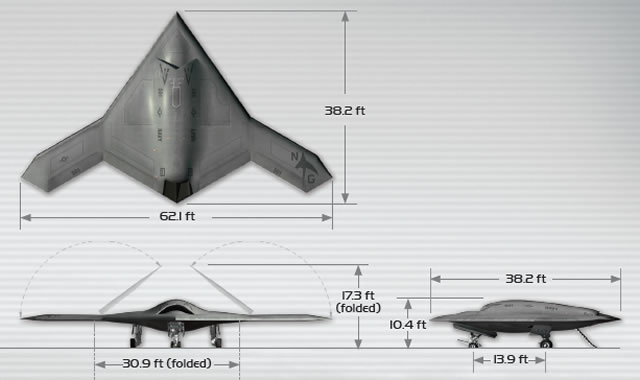
| Specifications | ||||||||||||||||||
|
||||||||||||||||||
 |
||||||||||||||||||
|
||||||||||||||||||
|
Back
to top |
||||||||||||||||||
X-47B UCAS-D Northrop Grumman Unmanned Combat Air System Demonstration US Navy United States UAV Drone Technical Datasheet Specification Pictures Images Video
- Posted On